York
08:00 AM - 05:00 PM
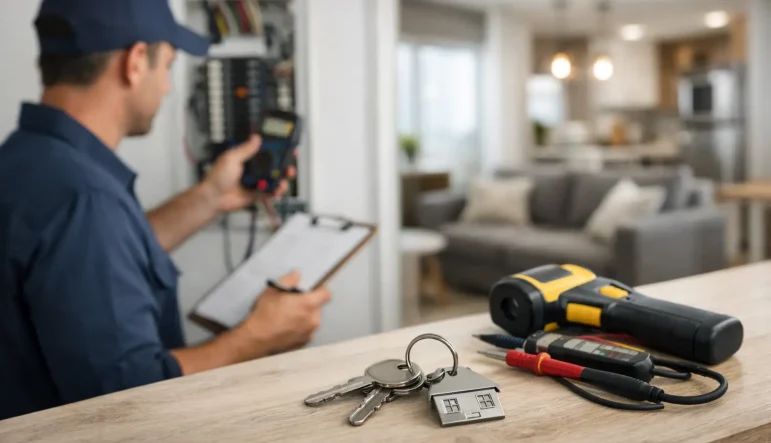
If you are asking when do you need an EICR for rental properties, the short answer is this: in most privately rented homes in England, the installation must be inspected and tested at least every five years, and sooner if the previous report says it is required. That sounds simple enough, but in practice landlords and managing agents often run into timing issues around renewals, new tenancies, remedial works and older reports.
An Electrical Installation Condition Report, or EICR, is not just a box-ticking document. It is a formal assessment of the fixed electrical installation in a property – consumer unit, wiring, sockets, light fittings and associated circuits – to confirm whether it is in a satisfactory condition for continued use. For rental property, that matters for both legal compliance and day-to-day risk management.
For privately rented residential property in England, landlords are generally required to have the electrical installation inspected and tested at intervals of no more than five years. The inspection must also be carried out by a qualified and competent person. If the EICR states that the next inspection is due sooner than five years, that earlier date becomes the one that matters.
You also need to give a copy of the report to existing tenants within 28 days of the inspection, to new tenants before they occupy the property, and to the local authority if they request it. If the report identifies issues that require further investigation or remedial work, those actions must be completed within the timescale stated on the report, or within 28 days if no shorter period is specified.
That legal position applies to the electrical installation itself. It is separate from portable appliance testing, which may be advisable for landlord-supplied appliances but is not the same requirement.
A common misunderstanding is that an EICR is only needed once every five years, full stop. In reality, five years is the maximum interval in many cases, not a guarantee that you can wait that long.
If an earlier report recommends a shorter reinspection period, perhaps because the installation is older or the environment is harsher, you should follow that recommendation. The same applies if there has been significant alteration or damage to the installation. A property that has had consumer unit changes, circuit additions, flood damage or poor-quality DIY work may need attention well before the five-year mark.
For landlords with portfolios, this is where good compliance management matters. A blanket diary note every five years is not enough if individual properties have different report dates or follow-up actions.
Not automatically. There is no general rule in England that a fresh EICR must be carried out every time one tenant leaves and another moves in, provided the existing report is still valid and the installation remains in satisfactory condition.
That said, a change of tenancy is often the right point to review whether the report still reflects the actual state of the property. If the last inspection was several years ago, there has been damage, or the new occupier will place different demands on the installation, arranging a new EICR can be a sensible decision even where it is not strictly due.
This is especially relevant in properties with higher wear and tear, such as HMOs or homes with frequent tenant turnover. Legal minimums are one thing. Managing electrical risk properly is another.
An EICR records observations against coded classifications. In practical terms, a satisfactory result means no code on the report makes the installation unsuitable for continued use. An unsatisfactory result means there are issues serious enough that remedial works or further investigation are needed.
The codes matter. C1 indicates danger present and requires immediate action. C2 means potentially dangerous and also leads to an unsatisfactory outcome. FI means further investigation is required without delay. C3 is an improvement recommendation – not ideal, but not enough on its own to make the report unsatisfactory.
For landlords, the key point is this: if the report is unsatisfactory, your responsibility does not end when the inspection does. The remedial work must be completed properly and evidenced in writing.
The phrase when do you need an EICR for rental properties can have a different answer depending on where the property is located. Rules are not identical across the UK.
In Scotland, landlords have long-standing duties around electrical safety inspections in private rented housing, and the inspection regime differs from England in some respects. Wales has its own housing framework and compliance expectations. Northern Ireland also follows its own arrangements.
If you manage property across borders, avoid assuming one standard applies everywhere. The safest approach is to check the current rules for the nation in which the property sits and make sure your inspection programme matches that legal framework.
There are cases where waiting until the stated due date is not the most responsible option. If tenants report tripping circuits, overheating accessories, burning smells, flickering lighting or signs of damage, the installation should be assessed promptly. Those are operational warning signs, not administrative details.
The same applies after major building works, storm or water damage, or where there is reason to suspect unauthorised electrical alterations. A valid EICR from two years ago does not guarantee the installation is still safe today if conditions have changed significantly.
Experienced contractors will look at the property as it is now, not just at what the paperwork said last time.
The inspection and testing must be carried out by someone qualified and competent. For landlords and agents, that means choosing a contractor with the right technical capability, inspection experience and understanding of current standards. An EICR is not a casual visual check. It involves dead testing, live testing where appropriate, assessment against BS 7671 and clear reporting of observations.
This is one area where the cheapest quote can become the most expensive. Poor inspection work creates two risks at once – unsafe installations being missed, and compliant installations being reported inaccurately. Neither helps a landlord meet their duties.
A service-led contractor should be able to explain the findings plainly, complete remedial works where needed and provide documentation that stands up to scrutiny. That joined-up approach is often more useful than treating the report as a one-off transaction.
Keep the current EICR, records of any remedial works, and confirmation that those works have been completed by a qualified person. You should also retain previous reports where relevant, especially if they show a history of recurring issues or recommended shorter inspection intervals.
For managing agents and portfolio landlords, it is worth keeping a simple compliance trail for each property: inspection date, result, remedial completion date and next due date. If the local authority asks for evidence, being organised saves time and avoids unnecessary pressure.
EICR timing is often affected by practical issues rather than legal uncertainty. Tenanted properties require access arrangements. Older installations may take longer to test. Remedial works may involve return visits, sourcing parts or coordinating with other maintenance activity.
That is why leaving the inspection until just before a tenancy starts can be risky. If the report comes back unsatisfactory, you may be left trying to complete works under avoidable time pressure. Planning ahead gives room to address defects properly rather than rushing towards occupation dates.
For landlords with multiple properties, spreading inspections through the year can also help avoid compliance bottlenecks. It is operationally easier than having several properties fall due at once.
The better question is not only when do you need an EICR for rental properties, but when is the right time to inspect this particular property. The legal minimum gives you a baseline. The condition, age and use of the installation tell you whether that baseline is enough.
A newer flat with a well-documented installation and stable tenancy may fit neatly into the standard inspection cycle. An older house with repeated alterations, heavy occupancy or previous unsatisfactory findings may need closer attention. Treating both in exactly the same way is rarely the most competent approach.
For landlords, agents and property managers, electrical compliance works best when it is planned rather than reactive. A valid report is essential, but so is acting on warning signs, choosing qualified inspectors and keeping clear records. If you approach it that way, the EICR becomes more than a legal requirement – it becomes part of running a safer, more reliable rental property.

Learn how non-electrically experienced maintenance teams can be traine

Citroën has unveiled ë-Berlingo, the latest version of its multi-awa
