York
08:00 AM - 05:00 PM

If you are planning electrical works, the electrical installation project timeline is usually one of the first practical questions to answer. Whether the job involves a house rewire, a commercial fit-out, an industrial upgrade or works within a transport environment, timescales matter because they affect access, budgeting, compliance planning and day-to-day operations. A realistic programme is not just about speed. It is about getting the work surveyed, designed, installed, tested and handed over properly.
Too often, clients are given a rough date without enough explanation of what sits behind it. That creates avoidable pressure later, especially when site conditions change or approvals take longer than expected. A dependable contractor will set out the stages clearly, explain where timing can shift, and identify which parts of the programme depend on client decisions, third-party sign-off or site access.
No two projects move at exactly the same pace. The timeline depends on the type of building, the condition of the existing installation, the complexity of the new system and the level of coordination required with other trades.
In a domestic property, the programme may be driven by how disruptive the works will be for occupants and whether making good is needed after cabling routes are installed. In a commercial setting, work often has to fit around trading hours, tenant requirements or phased occupation. Industrial and infrastructure projects bring another layer, with permits, shutdown windows, method statements and stricter access controls often influencing the schedule as much as the electrical work itself.
The age and quality of the existing system also have a direct impact. A clean installation in a well-documented building is easier to assess and programme than a site with undocumented alterations, overloaded boards or signs of previous non-compliant work. What looks straightforward on paper can quickly become more involved once containment is opened up or equipment is inspected properly.
Most projects start with a survey. This is where the contractor assesses the building, existing electrical infrastructure, intended usage and any immediate risks or limitations. On simple jobs, the survey may be completed quickly. On more technical sites, it can take longer because load requirements, access constraints and operational conditions need closer review.
This stage is where the scope should be clarified properly. If the brief is vague, the programme will be vague as well. Clients often benefit from taking a little more time here, because a defined scope reduces the chance of variations, delays and cost movement later in the project.
Once the requirements are understood, the next phase is design. That may involve circuit design, distribution planning, lighting layouts, emergency systems, containment routes or coordination with mechanical and fire-related services. In regulated or high-demand environments, the design period can be longer because drawings, approvals and technical reviews need to be completed before installation starts.
This stage is often underestimated. Clients may assume the work begins as soon as the quote is accepted, but design is part of delivery. If it is rushed, problems tend to appear on site, where changes are slower and more expensive to resolve.
After design comes procurement and detailed planning. Materials, switchgear, cable, containment, accessories and specialist equipment need to be ordered in line with the programme. Labour needs to be allocated, access dates agreed and, where relevant, permits or shutdown periods booked.
Lead times can have a major effect here. Standard accessories may be readily available, while distribution boards, specialist lighting, EV charging infrastructure or sector-specific equipment can extend the programme. A good contractor will flag this early rather than letting the procurement risk surface halfway through the job.
First fix is usually the stage where containment, cabling routes, back boxes, trays, trunking and primary wiring are installed. In new build and fit-out environments, this is heavily tied to the progress of other trades. If walls are not ready, ceilings are delayed or plant areas remain inaccessible, electrical works may have to be resequenced.
In occupied buildings, first fix can be the most sensitive phase because it often creates the greatest disruption. Programmes may need to be broken into zones, evening shifts or weekend access periods to keep the building functioning.
Second fix follows once spaces are ready for finishing works. This includes fitting accessories, final connections, luminaires, distribution equipment and associated devices. On paper, this can look like the quicker end of the project, but it still depends on site readiness. If joinery, ceiling works or decoration are incomplete, final electrical works may be held back.
This is also the point where coordination matters most. Electrical systems rarely sit in isolation. They interact with alarms, HVAC controls, security, data and equipment supplied by others. Delays in one package can affect all of them.
Testing is not an afterthought. It is a formal and essential stage of the electrical installation project timeline. Inspection and testing confirm that the installation is safe, compliant and functioning as intended. Depending on the size and complexity of the works, this may take anything from part of a day to a more structured commissioning period.
Where the installation forms part of a live operational site, testing may need to be phased carefully to avoid disruption. In some environments, witness testing or additional documentation may also be required before handover is accepted.
The final stage is handover. This should include certification, records, relevant operating information and any required client briefing. If the project includes training for site teams or responsible persons, that should be built into the programme rather than left until after practical completion.
A proper close-out gives the client confidence that the installation is not only complete, but properly documented and ready for ongoing use and maintenance.
A small domestic installation, such as a consumer unit replacement or limited upgrade, may be completed within a day or two if the existing system is suitable and no remedial works are uncovered. A full rewire of a house will usually take longer, particularly if the property is occupied or requires redecoration and making good afterwards.
Commercial projects vary more widely. A modest office fit-out may move from survey to handover within a few weeks if decisions are made promptly and materials are standard. A larger retail, hospitality or multi-unit commercial space can take several months once design coordination, phased working and landlord approvals are factored in.
Industrial and infrastructure sites typically require the longest lead time. Not because every task takes longer in isolation, but because the work has to fit within controlled operational conditions. Isolations, access restrictions, safety documentation and critical service continuity all shape the programme. In those settings, careful sequencing is often more important than raw speed.
Delays are not always a sign of poor delivery. Some come from factors outside the contractor’s control, but they still need to be managed properly. Late scope changes are one of the most common causes. If the client adds equipment, changes layouts or revises usage requirements after design is complete, the programme usually needs to move with it.
Access problems are another frequent issue. Areas may be occupied, other trades may overrun, or essential shutdown windows may not be available when expected. Hidden site conditions can also slow progress, particularly in older buildings where previous alterations were never recorded.
Material lead times remain a live consideration as well. Even with careful planning, certain components can affect start dates or final completion dates. The most reliable approach is to identify critical items early and programme around realistic supply information, not optimistic assumptions.
A sound timeline starts with a detailed survey and a clear brief. The more accurate the information at the start, the more dependable the programme is likely to be. It also helps to identify decisions that sit with the client, such as equipment approval, access arrangements, operational restrictions and finishing requirements. Those decisions are part of the timeline whether they appear on the installation schedule or not.
Communication matters just as much as planning. A contractor should provide staged visibility rather than a single completion date with no context. That means setting out milestones, flagging dependencies and updating the client if conditions change. Straightforward reporting builds trust and gives facilities teams, property managers and homeowners time to respond sensibly.
For more complex sites, phased delivery can be the best option. It may not produce the shortest overall programme, but it can reduce operational risk and make access easier to manage. This is particularly relevant in occupied commercial buildings, industrial facilities and transport-related environments where continuity of service is a serious concern.
At SJB Smart Electricals, this is where experience across sectors makes a practical difference. A timeline is only useful if it reflects the realities of the site, the standards that apply and the level of coordination the job actually requires.
When clients ask how long electrical works will take, the most honest answer is usually that it depends on scope, access, design, procurement and site conditions. That is not avoidance. It is the basis of a programme you can rely on, and that is far more valuable than a quick promise that fails under pressure.
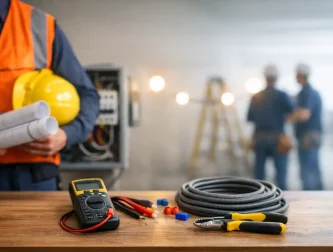
Understand the electrical installation project timeline, from survey a

Citroën has unveiled ë-Berlingo, the latest version of its multi-awa
