York
08:00 AM - 05:00 PM
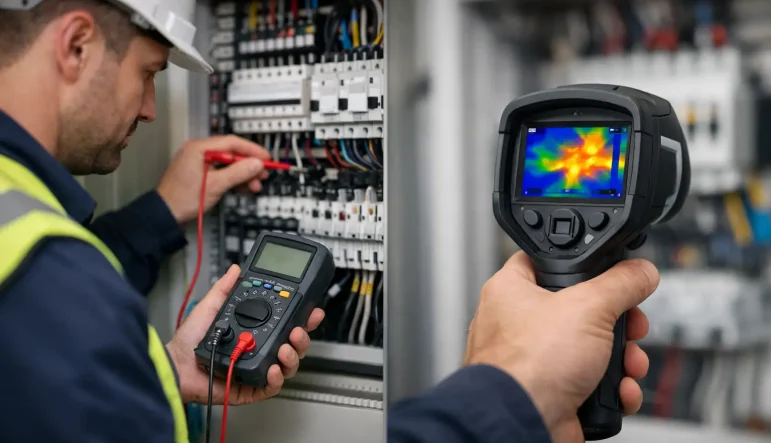
When a site has recurring electrical faults, rising maintenance costs, or compliance pressure, the question is rarely whether inspection is needed. It is usually whether fixed wiring testing vs thermography is the better choice. In practice, that is the wrong starting point. These two methods serve different purposes, identify different risks, and give decision-makers different kinds of evidence.
For landlords, facilities managers, business owners and infrastructure teams, the distinction matters because electrical risk does not present in one single way. Some faults sit inside the integrity of the installation and only show up during formal testing. Others develop as heat at connections, terminations or overloaded components and can be picked up quickly under live operating conditions. If you choose one method expecting it to do the work of the other, gaps appear.
Fixed wiring testing is a formal inspection and test of the electrical installation. It looks at the safety and condition of circuits, distribution boards, protective devices, earthing, bonding and associated electrical infrastructure. In most commercial and industrial settings, this is the process tied to an Electrical Installation Condition Report, often referred to as an EICR. It assesses whether the installation remains safe for continued use and whether it complies with the relevant standards.
Thermography, by contrast, is a thermal imaging survey. It identifies abnormal temperature patterns in live electrical equipment. The purpose is to spot overheating components or connections before they fail, degrade further or create a fire risk. It is non-contact and generally carried out while equipment is energised and under load.
That difference is the key point. Fixed wiring testing is a condition and compliance assessment of the installation. Thermography is an operational heat-based inspection of equipment in service. They overlap in risk reduction, but they are not interchangeable.
Fixed wiring testing is the more comprehensive route when you need to understand the underlying condition of an installation. It can identify damaged insulation, inadequate earthing, faults in protective arrangements, deterioration in accessories, circuit issues, non-compliances, and defects that may not produce visible signs during day-to-day operation.
It also gives a structured basis for remedial work. If a property is being managed, sold, leased, refurbished or reviewed for compliance, formal test results carry weight because they are recorded against recognised inspection procedures. That matters in domestic rented property, commercial premises, industrial facilities and transport environments where accountability is part of the job.
There is a practical trade-off. Fixed wiring testing can require planned access, selective isolation, and disruption depending on the type of premises and the age or complexity of the installation. In a live operational environment, especially one with critical systems, the planning around the work can be as important as the testing itself.
Thermography is particularly useful where electrical systems must stay live and operational. It can reveal loose terminations, overloaded circuits, imbalance, failing breakers, defective fuses, poor connections and hotspots in switchgear or control panels. In many cases, these issues are not obvious until they generate enough heat to stand out on a thermal image.
That speed and visibility make thermography valuable for maintenance planning. A facilities team can use it to identify developing problems before they become breakdowns. On industrial and infrastructure sites, that can mean less unplanned downtime, fewer emergency call-outs and better control over repair windows.
There are limits, though. A thermal camera does not test the full safety performance of the installation. It only shows temperature differences at the time of the survey. If a circuit is lightly loaded, a poor connection may not appear especially hot. If access is restricted by panel design or operational constraints, not every component can be viewed. Thermography is highly useful, but it is condition monitoring, not a substitute for formal electrical testing.
If the main concern is statutory duty, insurer expectations, or evidence that an installation has been formally assessed, fixed wiring testing usually takes priority. It is the recognised route for establishing the reportable condition of the wiring system. Landlords, commercial duty holders and organisations responsible for occupied premises often need this documented testing cycle as part of their compliance framework.
Thermography can support that framework, but it usually does so as a complementary measure rather than the primary compliance document. Some insurers and risk managers value thermal surveys because they demonstrate proactive maintenance and can help reduce fire exposure in critical assets. Even so, they do not replace the need for proper electrical inspection and testing where that is required.
For decision-makers, the simplest way to view it is this: if you need a formal judgement on the safety and condition of the installation, fixed wiring testing is the core service. If you need to detect heat-related defects in live equipment with minimal interruption, thermography is highly effective.
The strongest maintenance strategy often uses both. A thermographic survey may identify an overheating termination in a distribution board, but it will not tell you everything about insulation resistance, earthing integrity or whether the wider installation remains satisfactory. Equally, an EICR may confirm issues that need remediation, but it is not designed to give the same real-time picture of load-related heat behaviour in operational equipment.
This is especially relevant on larger or more demanding sites. In commercial buildings, industrial units, depots, airports, rail-related assets and other high-use environments, electrical systems are exposed to wear, load variation and operational stress. A formal test cycle without interim condition monitoring can miss developing heat faults between inspections. Relying only on thermography can leave compliance and hidden installation defects unaddressed.
That is why experienced contractors treat these services as separate tools within the same risk management approach. The right question is not which one is better in general. It is which risk you are trying to control at that point in the life of the asset.
If your premises have not had a recent formal inspection, or you need evidence of electrical condition for legal, insurance or management purposes, fixed wiring testing is the sensible first step. It gives a broader assessment of the installation and creates a documented basis for remedial works and future planning.
If your installation is already under a testing regime but you want added visibility over live equipment condition, thermography can be an efficient addition. It is often well suited to production areas, distribution equipment, heavily loaded boards and sites where shutdowns are difficult to arrange.
If you are dealing with repeated tripping, unexplained heat, burning smells, intermittent faults or known load increases, the answer may well be both. One service may identify the symptom, while the other confirms the wider condition behind it.
Older buildings also deserve a more cautious approach. Ageing installations can carry legacy issues that thermal imaging alone will not reveal. Newer or upgraded installations can still benefit from thermography where demand is high and continuity matters, because even well-installed systems can develop loose or stressed connections over time.
For mixed estates, a staged approach is often the most practical. Fixed wiring testing can establish the baseline condition across the portfolio, while targeted thermographic surveys focus on higher-risk boards, plant and operationally critical areas. That approach tends to suit property managers and larger organisations because it balances compliance, cost control and maintenance planning.
Neither service is just about collecting data. Results need to be interpreted by competent professionals who understand the installation type, loading conditions, environment, and the standards that apply. A hotspot on a thermal image may indicate urgency, but context matters. Likewise, an observation in a fixed wiring report needs to be understood in terms of actual risk, operational impact and remedial priority.
That is where contractor experience makes a real difference. A provider working across domestic, commercial, industrial and infrastructure settings is more likely to judge findings in a way that reflects how the site is actually used. SJB Smart Electricals approaches this work with that practical, cross-sector mindset, which is particularly valuable where technical accuracy and dependable execution matter equally.
Electrical inspection is most effective when it supports clear action, not just paperwork. If you are weighing up fixed wiring testing vs thermography, the right choice depends on whether you need compliance evidence, live fault detection, or a stronger maintenance picture across the whole installation. In many cases, the safest and most cost-effective answer is not choosing between them, but using each where it does its job best.
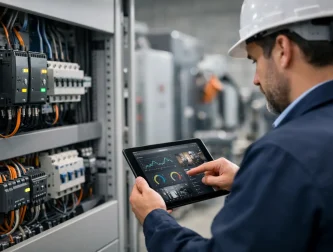
Smart monitoring in industrial electrics helps sites reduce downtime,

Citroën has unveiled ë-Berlingo, the latest version of its multi-awa
