York
08:00 AM - 05:00 PM
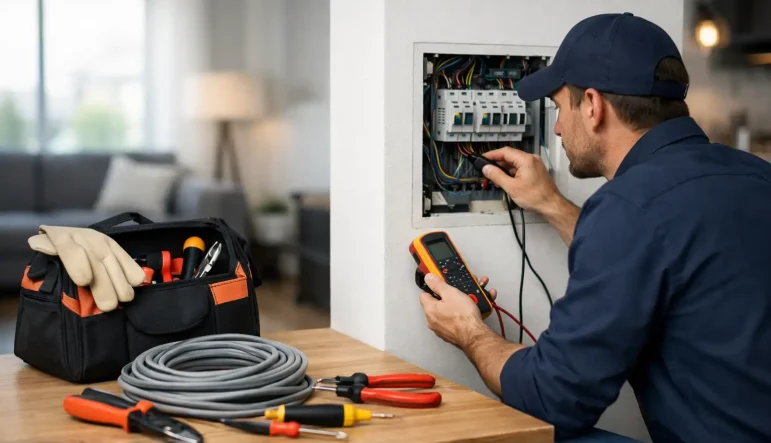
A tenant reports tripping electrics, an EICR comes back with coded observations, or a change of tenancy highlights neglected fittings. That is usually when electrical remedial works for landlords move from a line on a report to an urgent operational issue. The challenge is not only getting defects corrected, but doing it in a way that protects tenants, supports compliance, and avoids repeat disruption.
For landlords, electrical work rarely sits in isolation. It affects legal duties, letting schedules, insurance expectations, and the basic reliability of the property. Delaying action can turn a manageable repair into a larger fault, especially in older installations where wear, previous alterations, and overloaded circuits often sit behind the visible problem.
Electrical remedial works are the corrective works required to address defects, non-compliances, deterioration, or safety risks identified within an installation. In practice, this often follows an Electrical Installation Condition Report, but it can also arise after fault-finding, tenant complaints, refurbishment works, or changes in use.
The term covers a broad range of tasks. In one property, it may be a straightforward replacement of damaged accessories or the correction of poor connections. In another, it may involve upgrading consumer units, improving earthing and bonding, replacing unsafe circuits, or resolving issues caused by historic DIY alterations.
For landlords, the key point is that remedial works are not cosmetic improvements. They are works needed to bring the installation back to a safe and satisfactory condition, or to address items that may present danger if left unresolved.
A rental property is not judged only on whether the lights come on. It is judged on whether the electrical installation is safe for continued use. If a report identifies potentially dangerous defects, the landlord has a duty to respond promptly and properly.
That matters from a compliance perspective, but also from a practical one. Electrical defects can affect heating controls, smoke alarm supplies, cooker circuits, showers, extract systems, and other essentials that tenants depend on daily. A small fault in the wrong location can quickly become a habitability issue.
There is also the question of evidence. If works are identified and then left outstanding, the paper trail tends to work against the landlord rather than in their favour. A clear record of inspection, corrective action, and certification is part of responsible property management.
The defects that lead to remedial work are often familiar, especially in older rental stock or properties that have changed hands several times. Damaged sockets and switches are common, but they are rarely the whole story.
More significant findings include absent or inadequate earthing and bonding, outdated fuse boards, poor-quality additions to existing circuits, signs of overheating at connections, incorrect circuit protection, and lack of RCD protection where current standards and risk profile make it necessary. In some properties, inspectors also find unsupported cabling, poor bathroom electrical arrangements, or external installations affected by weathering.
Not every issue carries the same level of urgency. Some defects require immediate action because there is a present danger. Others indicate that improvement is needed to reach a satisfactory condition. Knowing the difference matters, but it should be assessed by a competent contractor rather than guessed from the wording of a report.
When landlords receive an EICR, the coded observations often create the most confusion. A report may identify C1, C2, C3, or FI items, and each has a different implication.
C1 indicates danger present. The risk is immediate, and urgent action is required. C2 means potentially dangerous, which also demands prompt remedial work. FI means further investigation is required without delay, because the inspector has identified a concern that cannot be fully verified at the time of inspection. C3 is different. It recommends improvement, but it does not on its own make the report unsatisfactory.
For landlords, the practical takeaway is simple. If the report is unsatisfactory, remedial action should be arranged without delay, then documented properly. Waiting until the next void period may feel convenient, but that is not always a defensible position if the defect affects safety.
The best remedial work starts with a proper review of the original findings. That includes checking the inspection results, understanding access constraints, confirming occupancy arrangements, and deciding whether the work can be completed in one visit or needs a phased plan.
In an occupied property, the contractor has to balance safety with disruption. Isolations may affect refrigeration, internet routers, alarms, or heating controls. In blocks or mixed-use premises, work may also involve common areas or supply arrangements beyond the individual dwelling.
Once the defects are confirmed, the work itself should be completed to the relevant standard and then tested, not merely installed. This is where experience matters. Replacing a damaged accessory is straightforward, but remedial works often expose wider issues once circuits are opened up. A dependable contractor plans for that possibility rather than treating every coded observation as an isolated task.
After completion, certification or written confirmation should support what has been done. Landlords need more than a verbal assurance that the electrics are now fine. They need records that show the defect was addressed and that the installation has been left in a safe condition.
Landlords often ask the same question first – how much will it cost? The honest answer is that it depends on the age of the installation, the number of defects, the accessibility of the work area, and whether the findings point to isolated repairs or wider upgrading.
A single accessory replacement or correction of a minor fault may be limited in cost. By contrast, remedial works involving a consumer unit change, circuit alterations, or upgraded bonding will naturally sit at a higher level. Occupied properties can also increase time on site, especially where appointments, tenant communication, and partial shutdowns must be managed carefully.
The cheapest quote is not always the most economical. If the work is priced without adequate testing, without allowance for hidden faults, or without proper certification, landlords may end up paying twice. A sound quotation should be clear on scope, exclusions, and what happens if further defects are uncovered once work begins.
Electrical remedial work in rental property should be carried out by a competent, properly authorised electrical contractor with experience in inspection, testing, and corrective works. That matters because remedial work is often less straightforward than new installation. It requires diagnosis, judgement, and an understanding of how older systems behave under test.
Landlords and managing agents should look for a contractor that can assess the report, explain the findings in plain terms, and deliver both the physical works and the compliance evidence afterwards. This is especially important for portfolios, mixed-use buildings, commercial lets, and properties with higher occupancy demands.
A provider such as SJB Smart Electricals is typically most valuable where the requirement goes beyond a basic repair call-out and into survey-led corrective work, formal documentation, and dependable technical delivery across different property environments.
The most effective landlords do not treat remedial works as a surprise category of spend. They plan for them. Electrical installations age gradually, and patterns usually emerge long before a serious defect appears. Recurrent nuisance tripping, ad hoc alterations between tenancies, and repeated issues with specific circuits all point to the need for a more structured review.
If a property is due for letting, refurbishment, or change of occupancy, arranging inspection early gives more control over timescales and cost. It is far easier to schedule corrective work during a managed access window than under pressure from a failed report or a tenant safety concern.
This is also where a broader contractor relationship can help. When the same provider can inspect, carry out remedial works, and advise on future upgrades, the landlord gets continuity rather than fragmented decision-making. That tends to produce better outcomes, especially across multiple properties.
Electrical remedial work is often seen as a compliance burden, but in practice it is part of protecting the asset. Safe, reliable electrics reduce avoidable call-outs, support tenant confidence, and lower the risk of more serious failures that disrupt occupancy and increase cost.
For landlords, the sensible approach is not to wait for a serious fault, nor to treat every report as a box-ticking exercise. Deal with defects early, use a competent contractor, and make sure the work is properly tested and recorded. When electrical safety is handled with that level of care, the property is easier to manage and far better placed to stand up to scrutiny.
A good remedial programme does more than correct what is wrong today. It gives you a clearer view of what the property will need next, which is where sound electrical management starts to pay for itself.

Electrical fault finding training builds safer, systematic diagnosis s

Citroën has unveiled ë-Berlingo, the latest version of its multi-awa
