York
08:00 AM - 05:00 PM
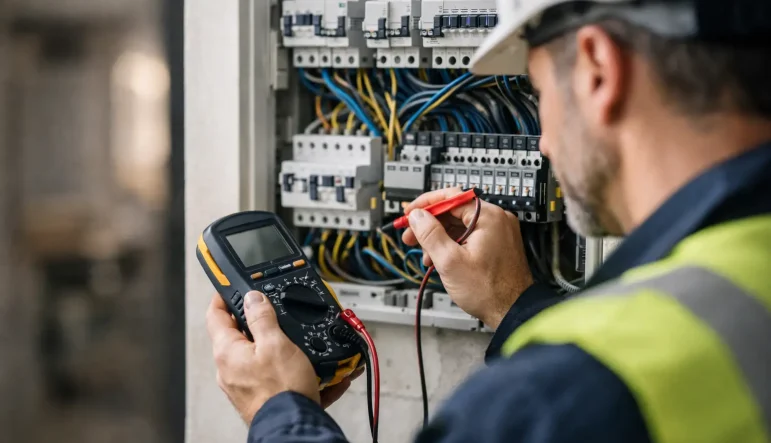
A consumer unit can look perfectly normal while hidden faults sit elsewhere in the installation. Damaged insulation, loose connections and overloaded circuits are not always obvious day to day, which is why people ask: what is fixed wire testing? In simple terms, it is the inspection and testing of a building’s permanent electrical installation to confirm it is safe, in serviceable condition and compliant with the relevant standards.
It applies to the fixed parts of an electrical system rather than plug-in appliances. That includes wiring, socket circuits, lighting circuits, distribution boards, isolators and other permanently connected electrical components. The aim is not just to spot faults that already exist, but to identify wear, deterioration or poor workmanship before those issues lead to electric shock, fire risk or unnecessary downtime.
Fixed wire testing is commonly referred to as an Electrical Installation Condition Report, or EICR. The test process involves both visual inspection and live and dead testing of the fixed electrical installation. It is carried out by a competent electrician using calibrated test equipment and should be recorded formally, with observations, results and any departures from current standards clearly noted.
The scope usually covers the installation from the intake position onwards. That may include distribution boards, final circuits, sockets, lighting, protective bonding, earthing arrangements and fixed equipment connections. In commercial and industrial settings, the scope can also extend to plant supplies, three-phase distribution, emergency systems interfaces and specialist environments where operational demands are higher.
It does not normally mean testing kettles, printers, extension leads or other portable items. Those fall under portable appliance testing, which is a separate process. The distinction matters because the risks and legal responsibilities are different. A building owner or duty holder may need both, but they are not interchangeable.
Electrical installations age. Even when an installation was compliant on the day it was fitted, time, environmental conditions and later alterations can change that. Cables can deteriorate, accessories can loosen, circuit schedules can become inaccurate and previous additions may not have been completed to the expected standard.
In a domestic property, the concern is usually life safety and the general condition of the wiring. In a commercial building, there is the added pressure of business continuity, staff safety and landlord or employer duties. In industrial and transport-related environments, the consequences of electrical failure can be wider still, affecting operations, critical systems and access to site.
That is why fixed wire testing is not a box-ticking exercise when done properly. It provides evidence of condition, helps prioritise remedial works and supports informed maintenance planning. For facilities teams and property managers, it can also help reduce surprises. Finding a fault in a planned inspection is generally preferable to finding it during an outage.
The process starts with a review of the installation and any available records. Existing certificates, previous EICRs and circuit information all help, although many sites are missing some or all of that paperwork. The electrician will then carry out a visual inspection to assess the visible condition of the installation and identify anything clearly unsafe or non-compliant.
After that, formal testing begins. This can include continuity testing, insulation resistance testing, polarity checks, earth fault loop impedance, prospective fault current and verification of protective devices such as RCDs. Some tests are performed with circuits isolated and others with the installation energised.
Because parts of the installation may need to be switched off, access and planning are important. In occupied premises, that often means agreeing a testing schedule in advance. For landlords or homeowners, the disruption may be limited. In commercial or industrial premises, especially those with live operations, testing may need to be staged carefully around working hours or operational windows.
Once completed, the inspector issues an Electrical Installation Condition Report. This records the overall outcome and any observations using coding that reflects the seriousness of each issue. A dangerous condition requiring immediate action will be treated very differently from an item that is an improvement recommendation.
The range is broad. Some findings are straightforward, such as broken accessories, inadequate labelling or missing blanks in a distribution board. Others are more serious, including insufficient earthing, poor insulation resistance, overloaded circuits, incorrect protective devices or signs of thermal damage.
Older properties often show issues linked to age and earlier standards rather than immediate failure. That does not always mean the whole installation needs replacing, but it can mean parts of it are due for upgrade. Newer properties can have problems too, particularly where alterations have been made over time by different contractors without a clear record of what changed.
There is also a practical difference between a technically non-compliant item and a dangerous defect. A good report should help the client understand that difference. Not every observation means major works are needed, but any issue affecting safety should be addressed promptly and by a competent person.
There is no single answer that suits every property. The recommended interval depends on the type of premises, how it is used, the age and condition of the installation and the external environment. A domestic owner-occupied home will generally be treated differently from a rented flat, office, factory unit or public-facing transport facility.
Rental properties typically have clear expectations around periodic inspection. Commercial premises often follow recommended inspection intervals based on the nature of use, while high-risk or heavily used environments may require more frequent assessment. Industrial sites, outdoor installations and areas exposed to heat, moisture, vibration or corrosive conditions can justify shorter periods between inspections.
This is where experience matters. The right frequency is based on risk, not guesswork. An approved contractor should consider the installation in context rather than applying the same advice to every building.
In many cases, there are legal or compliance obligations that make periodic inspection essential. Landlords, employers and duty holders have responsibilities to maintain electrical systems in a safe condition. The exact legal framework depends on the property type and how the building is occupied or operated, but the direction of travel is clear: electrical safety must be demonstrable, not assumed.
For a business, an up-to-date EICR can form part of that evidence. For landlords, it can be a specific requirement. For homeowners, it may not always be mandatory at fixed intervals, but it is still a sensible measure, particularly when buying, selling, renovating or managing an older installation.
Insurance can also be a factor. Some policies or risk assessments may expect evidence that the electrical installation has been inspected and maintained properly. If an incident occurs, being unable to show that reasonable steps were taken can become a serious issue.
The answer depends on the building and the complexity of the installation. In a small domestic setting, the work may be relatively straightforward, provided there is good access and the circuits are clearly arranged. In a larger commercial building, testing can involve multiple boards, out-of-hours working, phased isolation and coordination with site management.
On industrial and infrastructure sites, there may be additional controls such as permits, access restrictions, shutdown planning and equipment interfaces that need specialist understanding. These are not reasons to avoid testing. They are reasons to use a contractor who is used to working in environments where safety, compliance and continuity all matter at once.
SJB Smart Electricals works across domestic, commercial, industrial and transport-related settings, so the testing approach is shaped around the practical realities of each environment rather than treated as a one-size-fits-all task.
A fixed wire test is only as useful as the competence behind it. The person carrying it out should understand inspection and testing standards, know how to interpret results properly and be able to explain the findings in plain terms. That matters just as much as owning the right test instrument.
Clients should expect clear reporting, sensible coding of observations and practical advice on any remedial work. They should also expect a contractor to be realistic about limitations. If access was not possible to certain areas, or if operational restrictions affected the scope, that should be recorded openly. A dependable inspection process is based on accuracy, not assumptions.
For decision-makers, the best outcome is not simply a pass certificate. It is a reliable picture of the installation’s condition and a clear understanding of what needs attention, when and why.
Fixed wire testing gives that picture. Whether you are responsible for a family home, a rental portfolio, a business premises or a complex operational site, the value lies in knowing the condition of the system behind the walls and ceilings before it creates a bigger problem. When electrical safety is taken seriously, testing becomes less about paperwork and more about control.
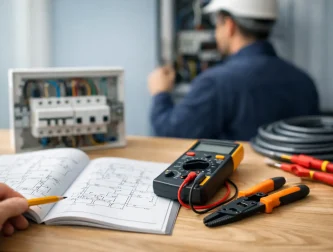
BS7671 wiring regulations update course 2026 explained for electrician

Citroën has unveiled ë-Berlingo, the latest version of its multi-awa
